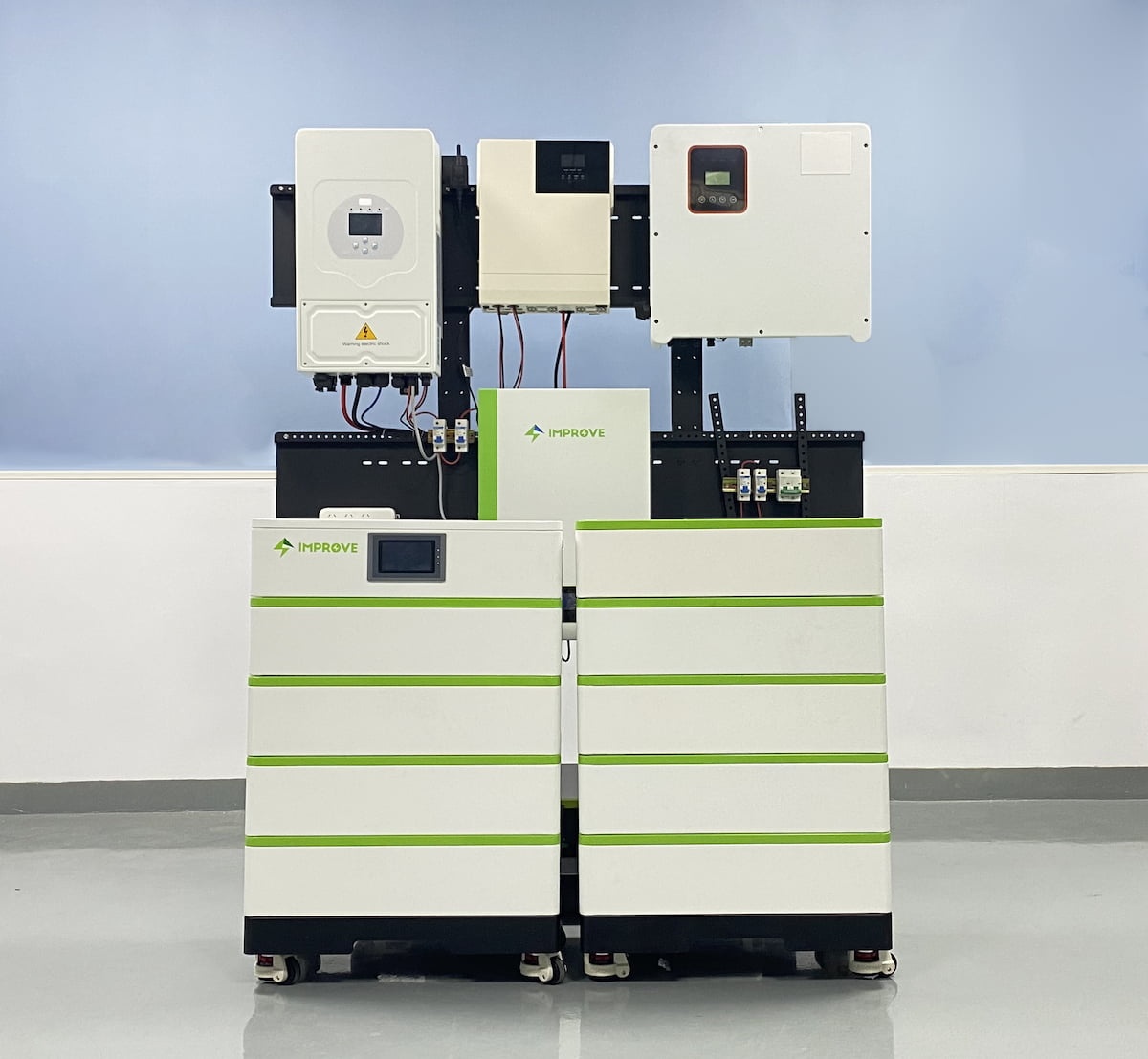
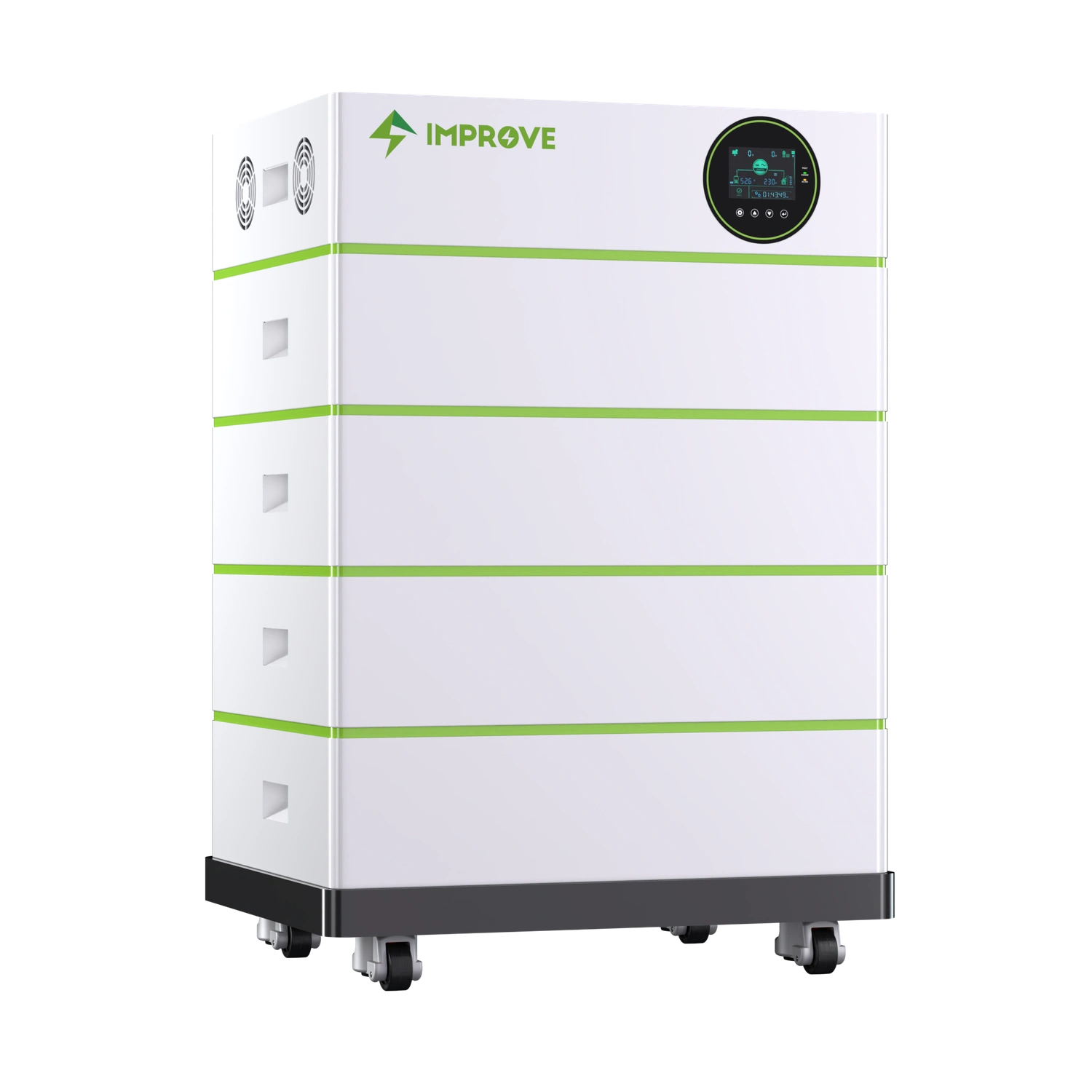
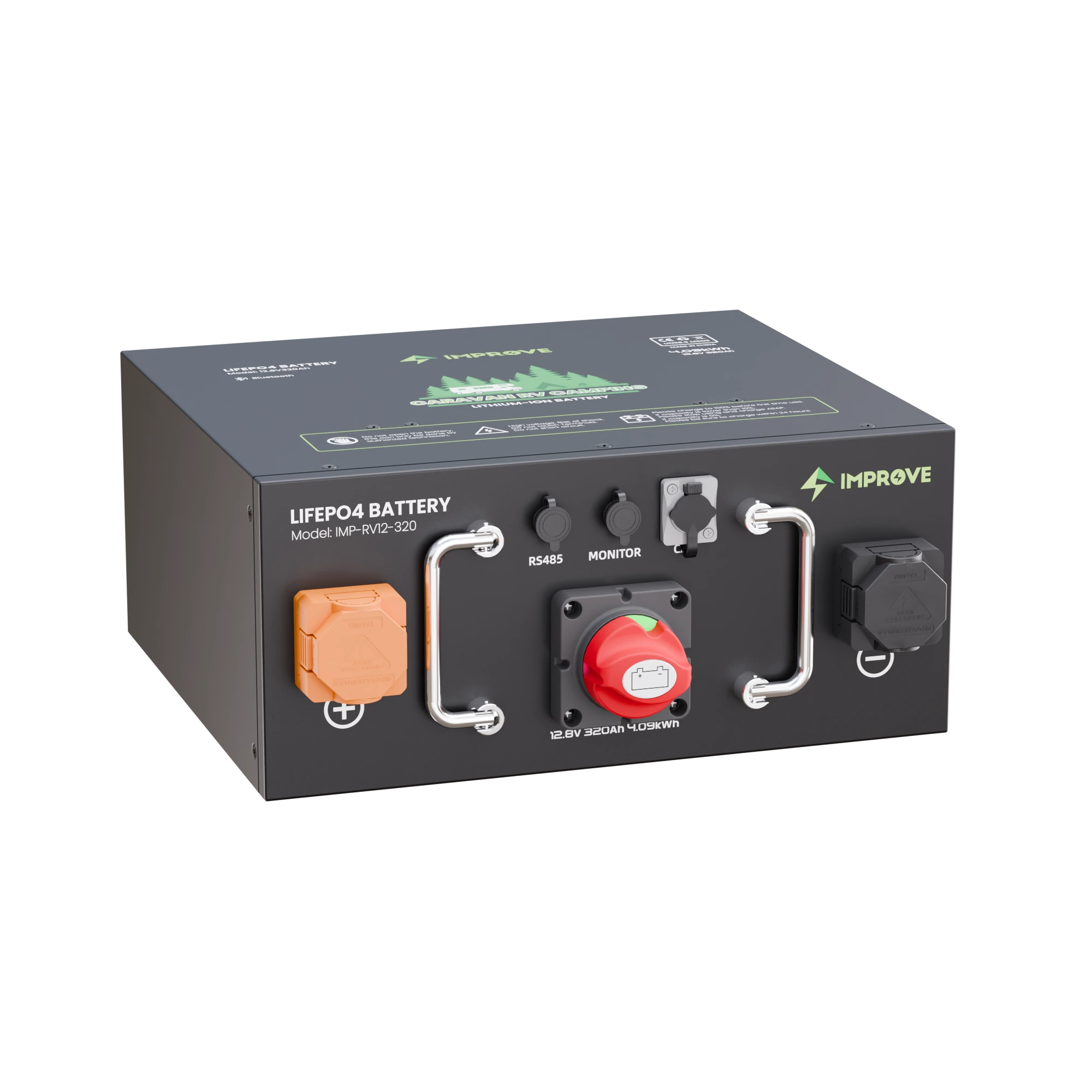
Lithium batteries have rapidly become the preferred energy storage solution for residential, commercial, and off-grid power systems. Their high energy density, long cycle life, and superior charging efficiency make them ideal for modern solar and backup applications.
However, many users still ask an important question:
Do lithium batteries require a special inverter?
The short answer is not always — but inverter compatibility is absolutely critical.
While many lithium battery systems can technically operate with standard inverters, using an incompatible inverter may reduce efficiency, shorten battery lifespan, or even create safety risks. Modern LiFePO4 battery systems rely heavily on intelligent charging control, accurate voltage management, and real-time communication with the Battery Management System (BMS). This is where inverter selection becomes extremely important.
Understanding the Role of the Inverter
An inverter is the core control center of a modern energy storage system. Its primary function is converting DC electricity stored inside lithium batteries into AC electricity suitable for homes, commercial equipment, and industrial loads.
In advanced solar storage systems, hybrid inverters also manage:
Solar energy input
Battery charging and discharging
Grid interaction
Load prioritization
Backup power switching
Modern hybrid inverters effectively act as an intelligent energy management system rather than a simple power converter.
Why Lithium Batteries Behave Differently
Unlike traditional lead-acid batteries, lithium iron phosphate (LiFePO4) batteries have a much flatter voltage curve and significantly faster charge acceptance rates.
This creates several important technical differences.
A conventional inverter designed primarily for lead-acid batteries may not correctly estimate the lithium battery’s state of charge. In some cases, inaccurate charging profiles can result in:
Overcharging
Excessive discharge
Battery protection shutdown
Reduced cycle life
Lower system efficiency
Lithium batteries are also highly sensitive to charging voltage accuracy. Even small configuration errors may impact long-term battery health.
The Importance of BMS Communication
One of the most critical differences between lithium and traditional battery systems is the Battery Management System (BMS).
The BMS continuously monitors:
Cell voltage
Temperature
Charge status
Current flow
Cell balancing conditions
Modern lithium-compatible inverters communicate directly with the battery BMS through CAN or RS485 protocols. This communication allows the inverter to dynamically adjust charging and discharging behavior in real time.
Without proper BMS communication, the inverter operates essentially “blind,” which can lead to incorrect charging logic and reduced system reliability.
This is why many professional ESS manufacturers strongly recommend verified inverter compatibility lists instead of relying solely on manual voltage settings.
Can You Use a Standard Inverter with Lithium Batteries?
In some situations, yes.
If the inverter supports customizable charging parameters and the lithium battery includes an internal BMS, basic compatibility may still be achievable. Many users successfully operate lithium batteries with configurable inverters by manually adjusting voltage thresholds.
However, this approach is usually considered a compromise rather than a best practice.
Without native lithium support, the system may lack:
Accurate SOC calculation
Intelligent charge optimization
Real-time battery protection coordination
Automatic current limiting
Advanced fault diagnostics
For professional energy storage systems, especially high-capacity residential or commercial installations, a lithium-compatible hybrid inverter is strongly recommended.
What Makes an Inverter “Lithium-Compatible”?
A true lithium-ready inverter is not simply an inverter with adjustable voltage settings.
Professional lithium-compatible inverters typically include:
Dedicated LiFePO4 charging profiles
CAN/RS485 BMS communication
Dynamic charge current control
Fast load response capability
Accurate battery SOC algorithms
Multi-stage protection logic
Some advanced hybrid inverters also integrate smart energy scheduling, peak shaving, and backup prioritization functions to maximize energy efficiency and battery lifespan.
Safety and Long-Term Reliability
Lithium battery systems are extremely safe when designed correctly, especially LiFePO4 chemistry. However, system-level compatibility remains essential.
An improperly configured inverter may create:
Excessive charging voltage
High operating temperatures
Frequent battery shutdowns
Inverter overload conditions
Reduced battery lifespan
In large-scale ESS applications, inverter-battery compatibility directly affects long-term operational stability and return on investment.
Final Thoughts
Lithium batteries do not always require a completely “special” inverter, but they do require the right inverter.
As lithium energy storage systems become increasingly intelligent, compatibility between the inverter and battery is no longer optional — it is a core requirement for efficiency, safety, and long-term performance.
Choosing a lithium-compatible hybrid inverter with proper BMS communication ensures:
Higher system efficiency
Better battery protection
Longer cycle life
More stable backup power
Safer operation
For residential ESS, commercial backup systems, RV applications, and off-grid solar installations, pairing a high-quality LiFePO4 battery with a compatible inverter is the foundation of a reliable energy storage system.